
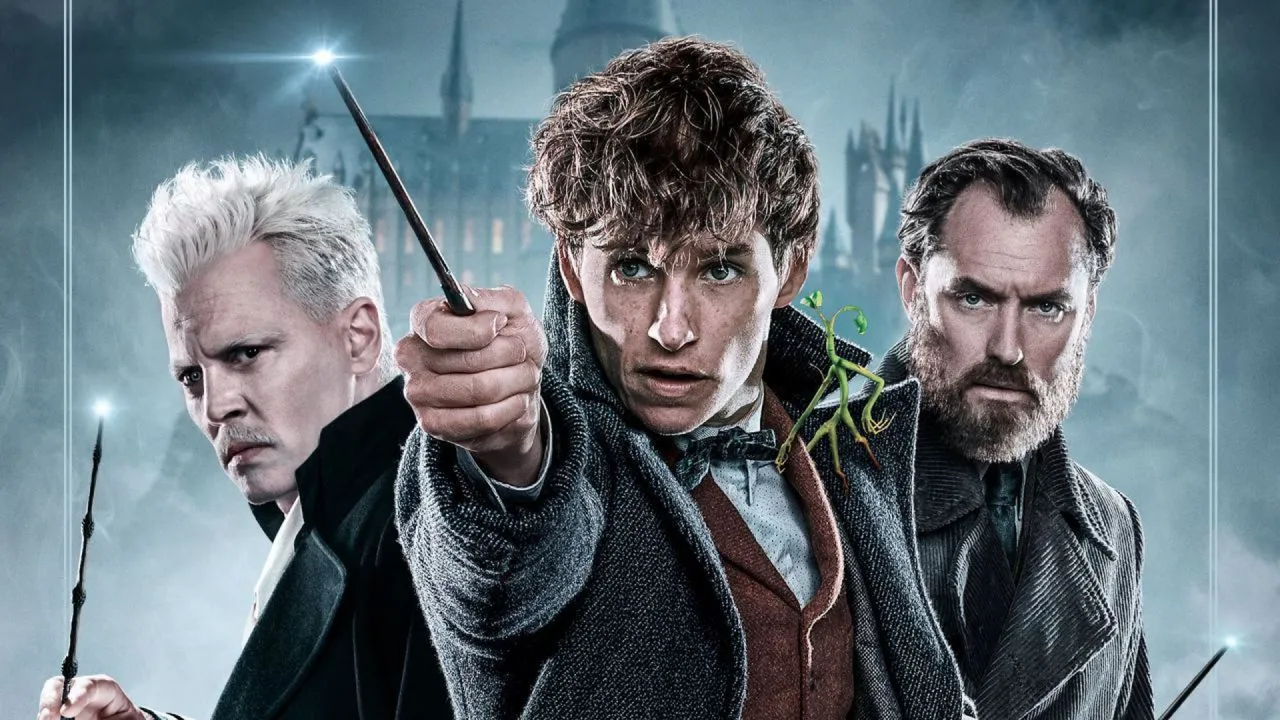
Following the huge success of the eight original films based on J.K. Rowling’s novels, the Harry Potter franchise attempted to expand on the big screen with the Fantastic Beasts prequel series, set in the 20th century and focusing on the past of both familiar and new characters from the Wizarding World.
Initially, as you may know, Warner Bros. and J.K. Rowling announced that the Fantastic Beasts prequel series would consist of a total of five films, with an epic story spanning 19 years, from 1926 (Newt Scamander’s arrival in New York) to 1945 (the year of the legendary duel between Albus Dumbledore and Gellert Grindelwald at the end of the Second Wizarding World War); director David Yates was set to helm all five installments.
However, the Fantastic Beasts saga concluded with the third installment, Fantastic Beasts: The Secrets of Dumbledore, and the story will not continue as initially planned: the reason stems from a combination of factors, ranging from poor box office performance to lukewarm press reviews, as well as the numerous legal and image-related controversies that have plagued the project, and above all, Warner Bros. Discovery’s decision to relaunch the Harry Potter saga with HBO’s new TV series remake.
The sharp decline in box office receipts was a major factor in bringing the Fantastic Beasts saga to an end: following the success of the first film, box office figures showed an increasingly steep downward trend with each subsequent installment, making the sequels financially unsustainable—partly due to rising production budgets. The numbers don’t lie: 2016’s Fantastic Beasts and Where to Find Them grossed approximately $814 million, while the second installment, 2018’s Fantastic Beasts: The Crimes of Grindelwald, dropped to about $655 million, and the third installment, 2022’s Fantastic Beasts: The Secrets of Dumbledore, plummeted to about $407 million— practically half that of the first film; considering that the third installment cost over $200 million, the project ultimately resulted in a net loss for Warner Bros.
In turn, the drop in box office receipts could be the result of the many controversies surrounding the cast and production of Fantastic Beasts, a film that certainly wasn’t lucky in its choice of actors and that, over the years, has had to contend with a series of significant reputational setbacks: Everyone is familiar with the case of Johnny Depp, who played the main villain Grindelwald. After losing a defamation lawsuit in the UK, he was asked to step down by Warner Bros. (which replaced him with Mads Mikkelsen), sparking a strong backlash and numerous boycotts from fans of the Pirates of the Caribbean star.
But at the same time, there was also the Ezra Miller scandal: the actor, who plays Credence Barebone, created numerous image problems for the franchise with his frequent run-ins with the law. Not to mention the friction between the Harry Potter fandom and author J.K. Rowling: the author’s well-known stances on certain sensitive social issues have sparked intense controversy that has been dragging on for years.
In the end, Warner Bros. set aside Fantastic Beasts and returned to focusing on the original Harry Potter saga: as is well known, the studio is developing a Harry Potter TV series remake with HBO, which will faithfully adapt the seven original books, covering one book per season.
