
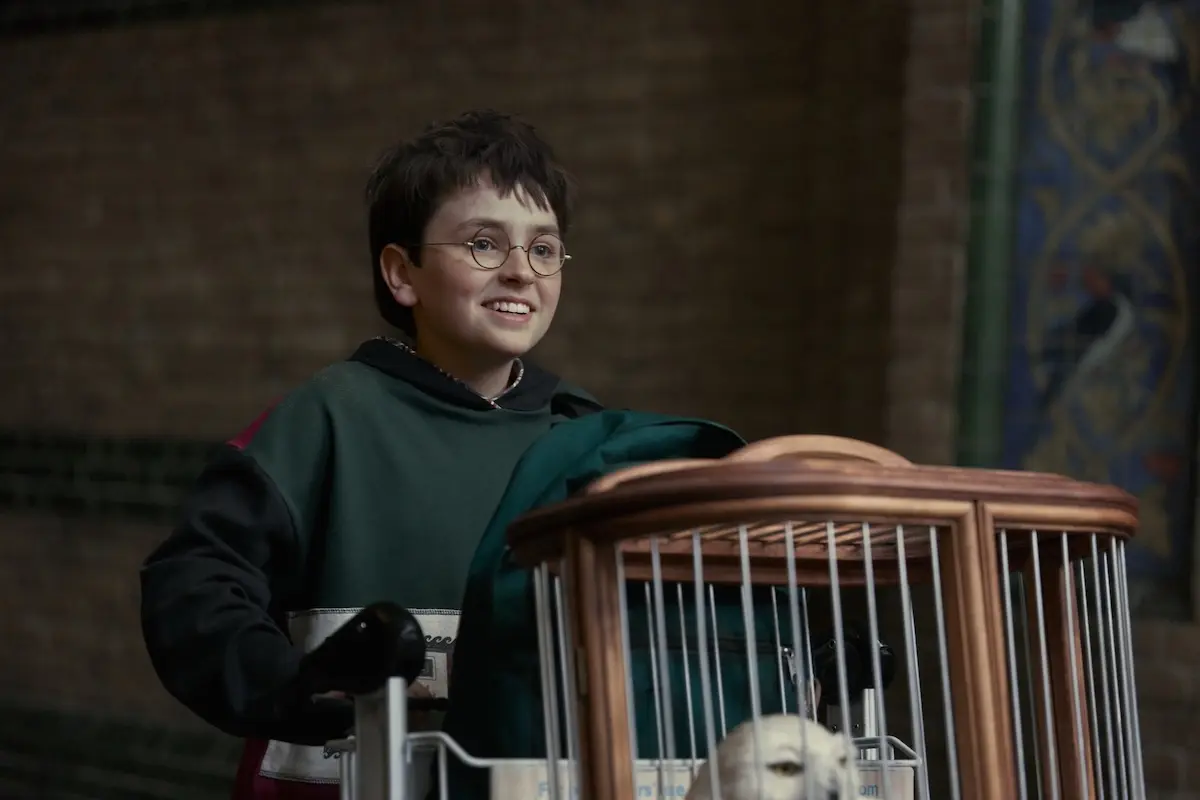
HBO’s new ‘Harry Potter’ series, which will adapt each of J.K. Rowling’s seven books, has caused a stir even before its premiere. The first trailer, featuring Dominic McLaughlin as Harry and many other members of the new cast, hasn’t won over all fans and has sparked an intense debate on social media about fidelity to the original universe and casting decisions.
Therefore, we’re going to analyze the two main areas where fan criticism has focused, plus a final section where we’ll also address the issues the author has always dragged behind her with her transphobic ideology—an ideology that has been rejected on many occasions by actors from the original films, such as Daniel Radcliffe, who has come out in defense of the community.
Digital Realism
Although the trailer includes carefully recreated images of Hogwarts and costumes, many fans have pointed out that the series seems to lack the “magic” that characterized the films. The absence of visible spells, fantastical creatures, and spectacular effects has led some users to express frustration, noting that the opening scenes seem too realistic and down-to-earth.
Where has the magic we all know gone? This is a trend that commercial cinema has been applying to its images for years: everything in focus, the same lighting used in every scene, faces lit evenly from every angle… This creates a homogenizing effect on the image that can be mistaken for artificial intelligence or a lack of “spark”—the personality that comes from giving an image a visual identity.
Without going any further, especially since Harry Potter and the Prisoner of Azkaban, the Harry Potter saga shifted from the fascination of its first two installments and their ochre tones—where Hogwarts unfolded as mysterious yet brilliant, revealing through the images the eyes of a child seeing a parade of magic for the first time— to the maturity and darkness of the remaining films, marked by a muted, grayish color palette that underscores Voldemort’s threat to Harry.
When this identity is lost in the pursuit of digital perfection, everything seems more realistic—a fact particularly noticeable in this case because it is a story brimming with magic, a magic that is imperfect, imaginative, and openly fantastical, contrasting with the “perfection” implied by filming in such a robotic manner.
Paapa Essiedu as Severus Snape
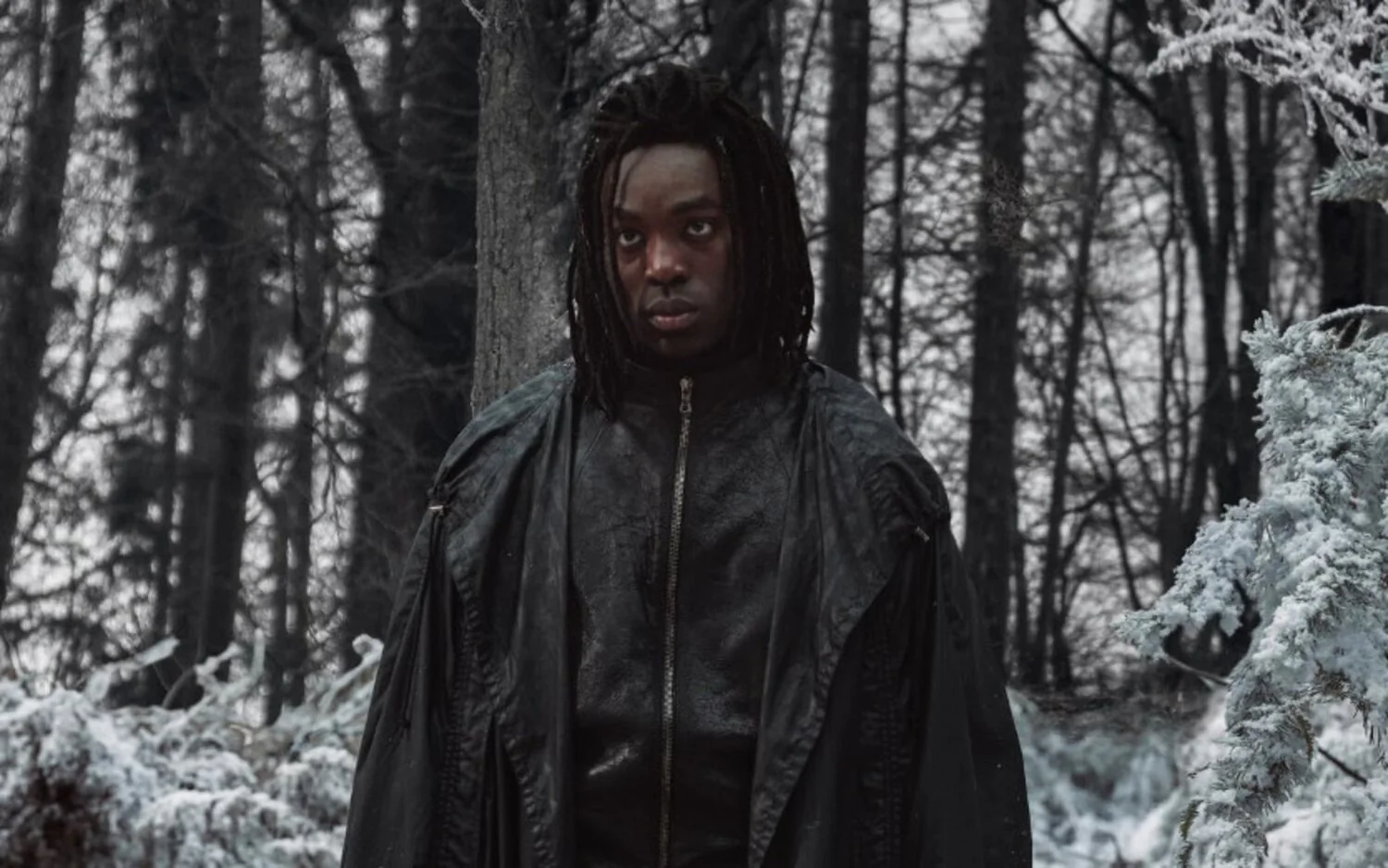
Another source of controversy has been the casting of Paapa Essiedu as Severus Snape. In the books, Snape is described with very specific physical traits, but the series has chosen a Black actor for the role, which has sparked criticism on social media. While some users celebrate the diversity, others have accused the production of straying from the original material.
This has triggered a “soccer stadium” effect that is common on social media: giving free rein to racism when something doesn’t align with one’s reality or personal desires. ‘Harry Potter’ is a work of fiction, featuring hippogriffs, spells, and flying brooms. The crude and racist comments only demonstrate an inability to argue beyond insults and don’t warrant much further comment.
If the debate centers on the lack of original stories in commercial cinema that could better represent the cultural and social complexities of Black or LGBTQ+ people, this is a more than valid argument and reflects a genuine concern stemming from the oversimplification of stereotypes. That is why the debate would be much healthier and more effective if we shifted our focus from the what (the story) to the how minorities are being represented in film.
Furthermore, in their eagerness to criticize the supposed “woke agenda,” many overlook the reality behind Hollywood or British film production, which has, since its inception—from The Birth of a Nation to Jesus Christ Superstar—established white skin and English speech for historical figures who bear no resemblance to the original subjects and have clearly shaped a popular image of how we view the history of other countries such as Egypt, India, or Japan, among many others.
J.K. Rowling and Transphobia
Last but not least, J.K. Rowling’s transphobic comments have always been a common occurrence. Over the years, the author has repeatedly defended positions critical of gender identity, sparking a strong public backlash, including political debates, boycotts, and media controversies. Despite this, Rowling has maintained and reinforced her views, assuring that all funds she raises will go entirely to her anti-trans organization (Advocate).
The fact that she continues to be associated with these projects and uses hatred as a tool for expression and as her first response to an issue she clearly does not understand—and which has been repeatedly explained and refuted by the scientific and medical communities—highlights how certain discourses—due to their popularity, fervor, and —take root in public opinion over those who are truly qualified to address these issues, and especially those who suffer the consequences of the normalization of hate speech and transphobia.
Therefore, a call for reason and individual responsibility. The fact that we don’t like something is not sufficient reason to take out our frustration and insecurity on other people, and even less so when the entire debate centers on a fictional entity—it’s just a television series. There are more important issues to debate, to get frustrated and outraged about, and to act upon within our means: climate change, pedophile networks, indiscriminate attacks on freedom, genocides… and all of them happening in the real world.
