Matt Winkelmeyer/Getty Images
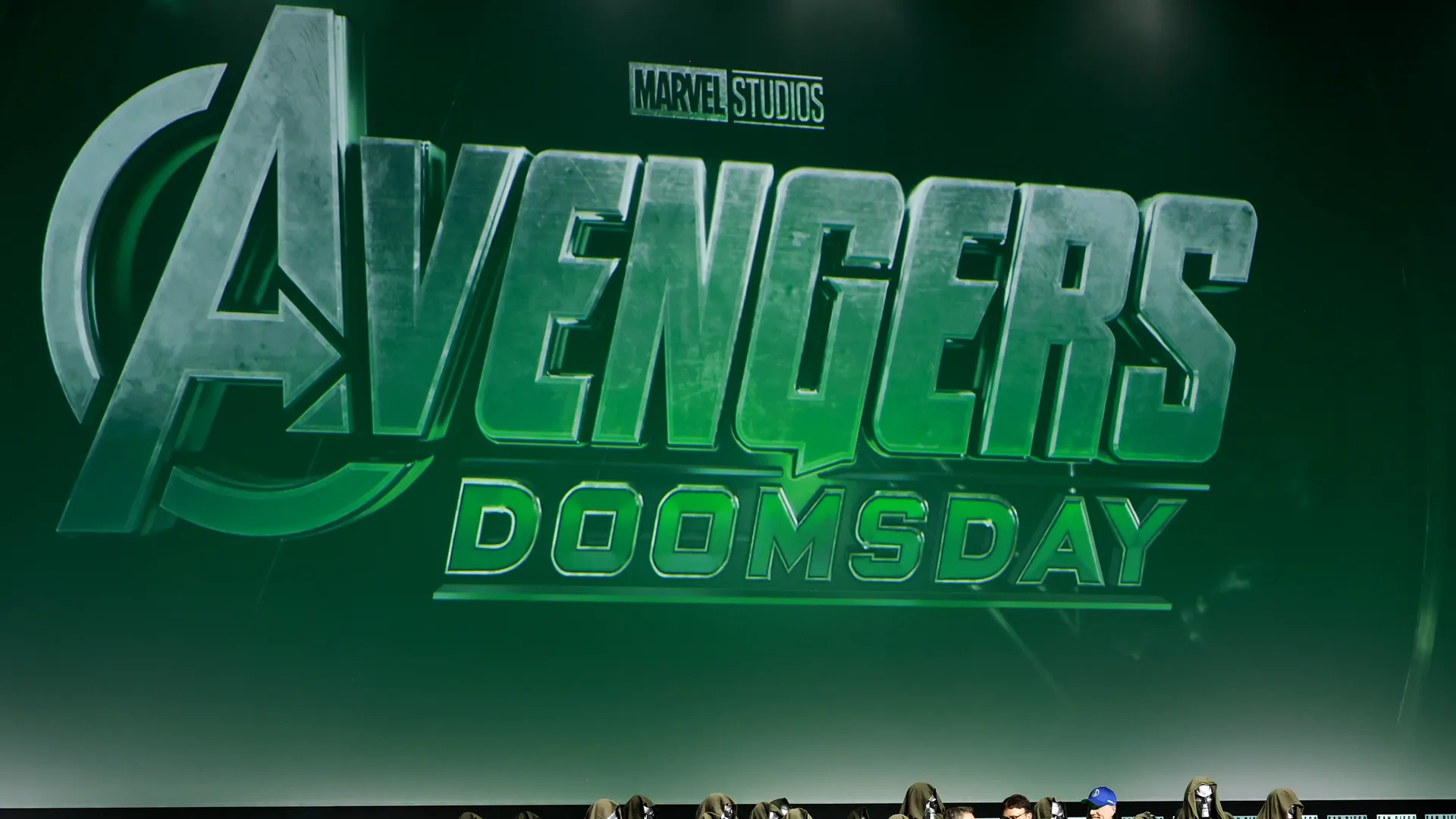
Once upon a time there was Barbenheimer; now it’s time for Dunesday. This refers to the showdown between Avengers: Doomsday and Dune: Part 3, two of the most anticipated films of the year, which, as luck would have it, are both set to be released in the United States on the same day: December 18, 2026. “As luck would have it” may not be the most accurate expression, given that behind movie release schedules there is always a careful and meticulous strategy that obviously aims for maximum commercial success. The weeks leading up to Christmas and the end of the year are obviously the most lucrative windows, as families flock to the movies en masse. The third installment of Dune had already secured its slot for next December back in 2024, while the new Avengers film arrived there after several delays (it was originally scheduled for release in May 2025, in fact).
So what now? Many view the clash between these two films—both of which are almost certain to become massive blockbusters—as a paradoxical situation, especially given the ongoing crisis facing movie theaters: in recent years, audiences have been dwindling, with theater owners struggling to fill seats, yet now they’ll find themselves facing two phenomenal blockbusters simultaneously in the same weeks. The parallel with the competition between Barbie and Oppenheimer (both released in July 2023) holds only partially, as the two films were aimed at rather different target audiences—namely, women and young people on one hand, and a more mature, male audience on the other. The new Dune and Avengers, on the other hand, are two sci-fi sagas that both target a very broad but primarily mainstream and male audience.
So, concerns among theater owners are starting to mount. In addition to the possibility that the two films will cannibalize each other at the box office (even though they are destined to be among the year’s highest-grossing), there are also technical challenges to consider. During that period, in fact, theaters are likely to fill all their screens with both of these titles, pushing out smaller and independent productions that would otherwise have no space. Furthermore, Dune: Part 3, partly due to the aesthetic obsession of its director Denis Villeneuve, has secured a three-week exclusive run in IMAX theaters across the United States. This means that Avengers: Doomsday will be shown in that format only about a month after its release date—a prospect that fans of the Marvel universe are greeting with intense discontent.
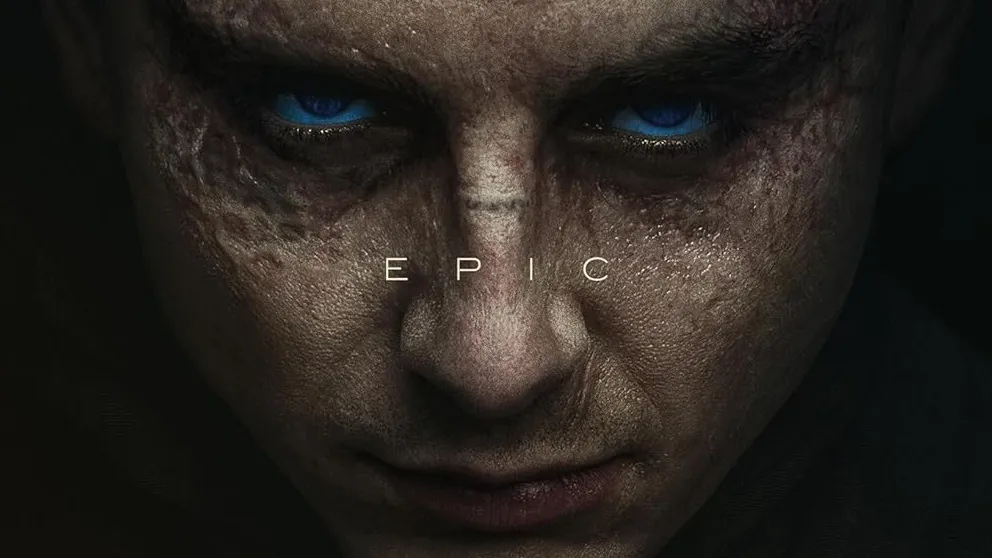
Many are therefore hoping that the two studios behind these films—Disney and Warner Bros.—will come to their senses and decide to postpone one of the two releases to avoid a direct clash. Fair enough, but which one should step aside? On paper, Avengers: Doomsday is set to dominate at the box office, projected to easily and quickly surpass $1 billion globally and climb the ranks of the highest-grossing films in history, just as its predecessors did. Dune itself is a smaller saga, but one that has grown significantly over the years and which, with this third installment—thanks to the star power of its cast—could do even better (and perhaps it is the one that would benefit most from a postponement).
As the Hollywood Reporter points out, however, we are a long way from the days of 1989, when four cult classics—Batman, Ghostbusters II, Indiana Jones and the Last Crusade, and Lethal Weapon 2—all hit theaters in a single weekend. The audience has changed, but so have the policies of the various studios, which are increasingly intertwined with highly sensitive financial and even political stakes (let’s not forget that Warner has just been acquired for a massive sum by Paramount and must therefore aim for profit at all costs, while Disney has recently changed leadership, with new CEO Josh D’Amaro needing to make the best possible start to his tenure). It’s hard to tell at this point who will come out on top or who will take a step back. In the meantime, the rivalry between Avengers: Doomsday and Dune: Part 3 has already begun, with the hope that, in the end, it won’t be the viewers who lose out.
About the Author