Image Credit: Netflix
When we talk about the most popular and influential series of the 21st century, Peaky Blinders is, without a doubt, one of the most important. Launched in 2013, the BBC production became a global phenomenon until its conclusion in the sixth season in 2022, winning over critics and audiences alike. Behind all the style and violence, what has always caught my attention in the series is how it weaves real-life events and political intrigue into the story of the criminal gang (inspired by real-life events) in Birmingham, England, led by the Shelby family, following the journey of rise and trauma of the protagonist Tommy Shelby, played by Cillian Murphy (Oscar winner for Oppenheimer).
Following the series, the film Peaky Blinders: The Immortal Man (2026), released and produced by Netflix, continues and concludes Tommy Shelby’s story with an exciting and explosive conclusion to this chapter set during World War II.
What is the story of Peaky Blinders: The Immortal Man?
Peaky Blinders: The Immortal Man is set a few years after the events of the series, in Birmingham in 1940, during World War II.
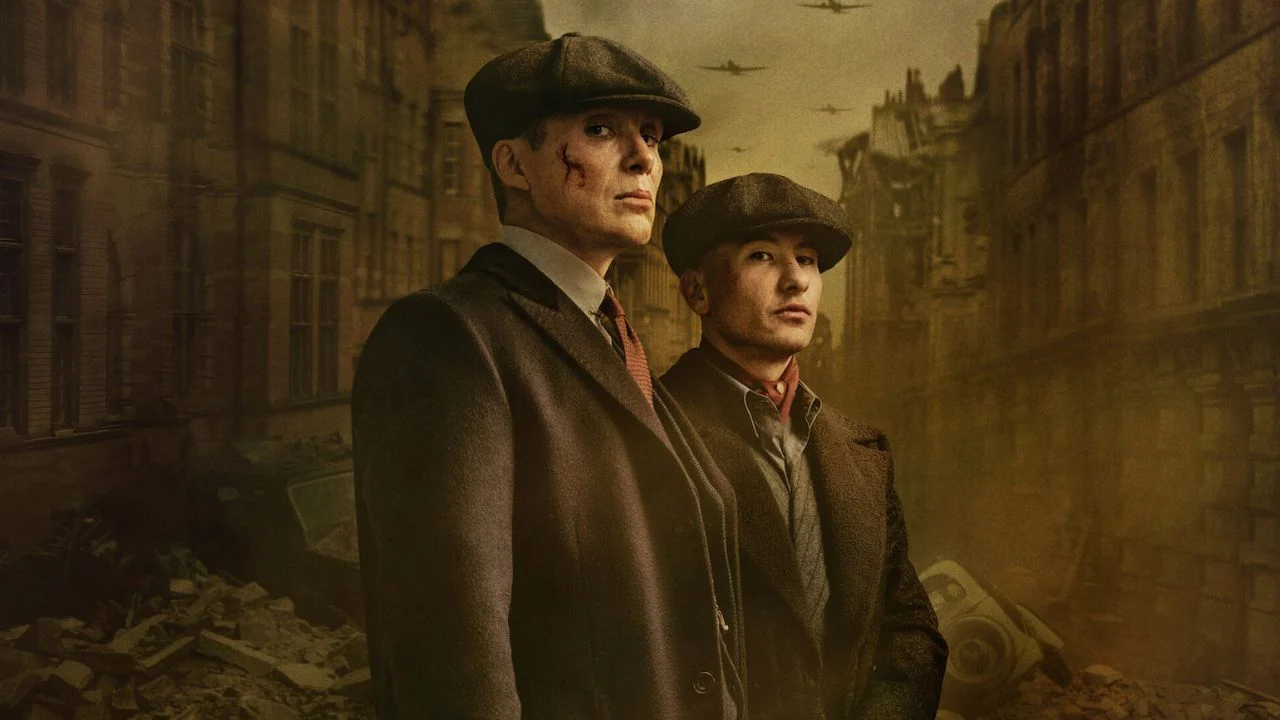
Amid the chaos of war, we follow Tommy Shelby (Cillian Murphy) as he returns from self-imposed exile for his most violent showdown yet. With the future of his family and country at stake, he must face his own demons and decide whether to confront his legacy or destroy everything. Meanwhile, we meet a new generation of Peaky Blinders led by Duke (Barry Keoghan), the protagonist’s son, and a Nazi conspiracy infiltrates Birmingham, organized by John Beckett (Tim Roth).
Tommy Shelby’s spiritual journey in the Peaky Blinders film
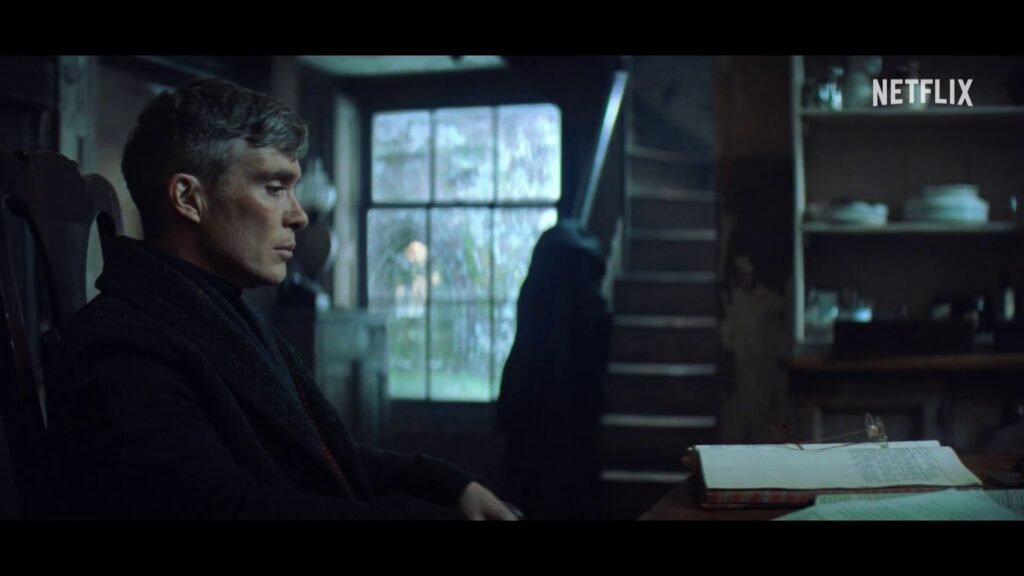
From the very beginning, Tommy Shelby has always been a complex character, far beyond the “cold and calculating” image that has taken root in pop culture—haunted by the trauma of his experiences in World War I and the loved ones he lost along the way. In Peaky Blinders: The Immortal Man, we find Shelby once again haunted by the ghosts of his past, isolated in an abandoned mansion.
“I’m not alone when I’m alone. The spirits appear to me.”
The film begins by exploring precisely these internal conflicts of Tommy’s. Director Tom Harper visually constructs a setting of instability and the uncanny for the protagonist in that abandoned place, as he tries to rediscover his purpose. In this World War II context, rife with nihilism and devoid of prospects, it is interesting and symbolic that Steven Knight’s (the series’ creator) screenplay has Cillian Murphy’s character rediscovering his path through a spiritual journey—connecting with his ancestry and Romani roots. It is in this awakening that Kaulo, an enigmatic woman played by Rebecca Ferguson, plays a pivotal role.
Cillian Murphy is back for his farewell as Tommy Shelby, and after so many years in the role, he perfectly understands how to portray the character’s vulnerability and psychological instability, as well as his imposing presence when he’s in action. The Netflix production also reveals a new central conflict regarding his son and his concerns about his legacy and the traumas that continue to be passed down.
The chaos of World War II and a new generation of Peaky Blinders
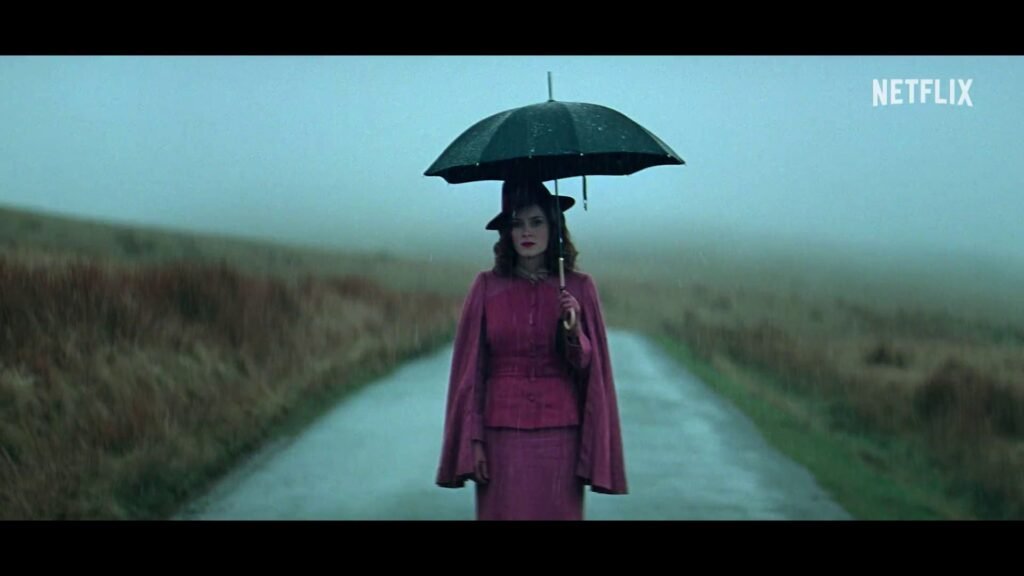
While the original series takes place during the interwar period, the film The Immortal Man delves into World War II, with the Nazis attempting to use the Peaky Blinders and other gangs to cripple Britain’s economy and win the war.
With Tommy Shelby absent, we meet a new generation of Peaky Blinders wreaking havoc in Birmingham, led by Duke Shelby, the protagonist’s illegitimate son—originally played by Conrad Khan in season six and, here, replaced by Barry Keoghan (Saltburn and The Banshees of Inisherin). Unfortunately, we don’t have the necessary development time for these characters, but Keoghan works well in the role, both for his brutality as the gang leader and for his vulnerabilities when it comes to the family legacy and his father’s abandonment.
While on one hand we have Tommy’s spiritual journey, another part of the narrative focuses on the political conspiracy orchestrated by John Beckett, a Nazi Party sympathizer. One of the main new additions to the cast, Tim Roth is no stranger to playing villains in his career, including Abomination in the Marvel Cinematic Universe and General Thade in Planet of the Apes (2001), and appears in Peaky Blinders as a charming and manipulative figure seeking to conduct dangerous business with Duke.
The strength of Peaky Blinders: The Immortal Man lies in this political instability and the conflicted relationships—which oscillate between loyalty and betrayal—that build constant tension leading up to an explosive and thrilling final sequence involving Tommy Shelby and his former allies, including Hayden Stagg (Stephen Graham) and Johnny Dogs (Packy Lee), which delivers the film’s most intense and spectacular moment.
Is Peaky Blinders: The Immortal Man worth watching?
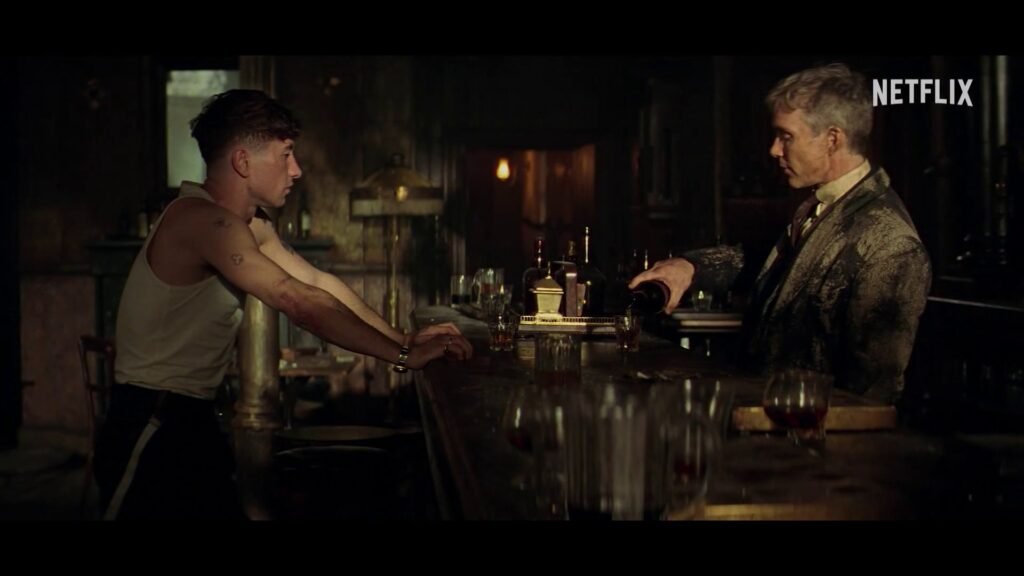
Peaky Blinders: The Immortal Man is a perfect conclusion for anyone who has followed all the seasons of the series, bringing Tommy Shelby’s story to a thrilling close as the character breaks free from the ghosts of his past and reconnects with his heritage. As screenwriter Steven Knight himself said in an interview with AdoroCinema, it was the “only possible way” to end this chapter. Unfortunately, it’s important to note that the film, available on Netflix, may not work as well as a standalone experience for those who haven’t watched the original series, considering that it plays out almost like an extended episode that continues the events of the final season.
This entire spiritual journey of the protagonist, played by Cillian Murphy, not only delves deeper into the character’s development but also serves as a powerful symbolic battle within this World War II setting and the fight against the Nazis. A cycle has come to a close with Tommy Shelby, but Peaky Blinders will continue with spin-off productions, and we’ve already met a new generation in the feature film.
About the Author